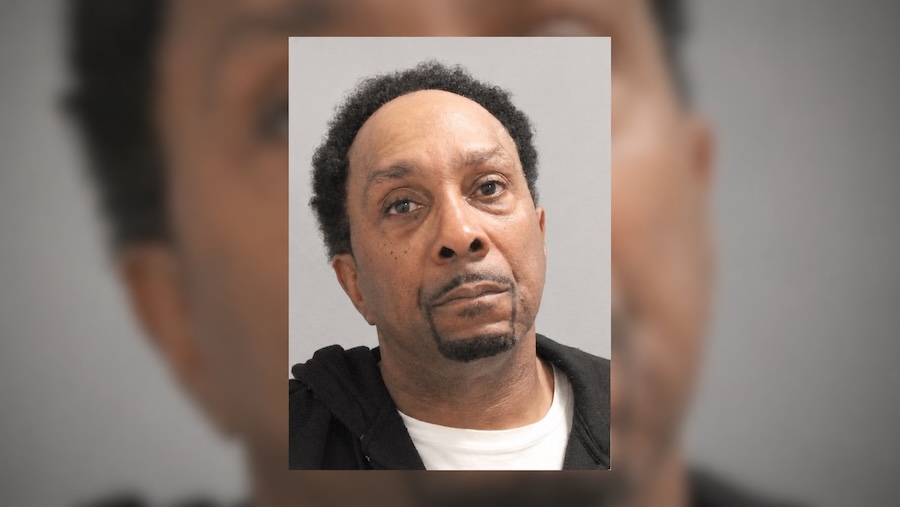
Former Manhasset private equity executive David Gentile, convicted of orchestrating a multiyear fraud scheme that prosecutors said targeted thousands of investors nationwide, has had his federal prison sentence commuted by President Donald Trump, the White House confirmed to Newsday.
Gentile, 59, founded and served as CEO of GPB Capital, a New York–based private equity firm that raised roughly $1.6 billion from more than 10,000 investors through a series of funds pitched as income-producing investments, including car dealerships that were supposed to generate enough cash flow to support steady distributions of about 8% a year.
In August 2024, a federal jury in Brooklyn found Gentile guilty of securities fraud, conspiracy to commit securities fraud and wire fraud, and related charges. Prosecutors argued that when the funds underperformed, Gentile and his partners concealed the shortfall and used new investor capital to make monthly distribution payments while backdating documents to mask the funds’ true condition, creating what regulators later described as a Ponzi-like structure.
According to the U.S. Attorney’s Office for the Eastern District of New York, the GPB funds collectively raised about $1.6 billion and ultimately left investors with an estimated $98 million in losses. At sentencing in May 2025, prosecutors said the firm had been “built on a foundation of lies” and that investor money was repeatedly recycled to maintain the appearance of success.
Bureau of Prisons records show Gentile reported to federal custody on Nov. 14 to begin serving a seven-year sentence. He was released on Nov. 26, after Trump signed a commutation that wiped out the remaining prison time and, according to public clemency records, also relieved him of further fines and restitution obligations tied to the case.
In an email to Newsday, a White House official defended the decision and cast doubt on the conviction, arguing that GPB had disclosed to investors as early as 2015 that some distributions might be funded with investor capital rather than current operating income. The official accused the Biden-era Justice Department of misleading jurors by characterizing the structure as a Ponzi scheme despite those disclosures.
The commutation does not apply to Gentile’s co-defendant Jeffry Schneider, the CEO of Ascendant Capital, which marketed GPB’s funds to investors. Schneider was convicted at the same trial and received a six-year sentence. A third executive, Jeffrey Lash, pleaded guilty, cooperated with authorities and received a time-served sentence plus restitution. Lash’s attorney has since raised concerns about parity in punishment now that the firm’s founder has been granted clemency.
Federal authorities compiled more than 1,000 victim statements to submit to the court at sentencing, including one investor who said she had relied on GPB distributions to help pay for cancer treatment and is now struggling to cover medical costs. Prosecutors have argued that investors, many of them retirees, were left facing long-term financial and emotional fallout from the scheme.
Civil litigation tied to GPB Capital remains ongoing, including an SEC enforcement case and disputes over how remaining assets will be distributed to investors. Receivers and regulators have continued to battle in court over the recovery and allocation of funds.
Photo: Official White House Portrait.
Find Crime News in Your Town
Explore arrests, investigations and crime reports from communities across Long Island.