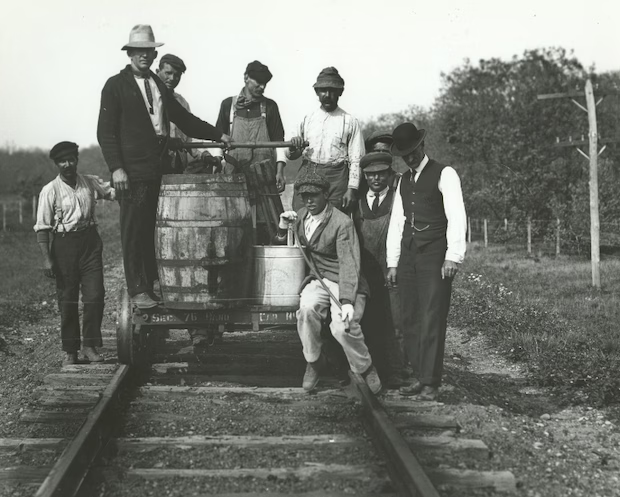
It sounds like something made up, but it wasn’t. In 1913, Long Island Rail Road workers were locked in a quiet but very real battle along the tracks near Montauk… against caterpillars. Not trains. Not storms. Caterpillars.
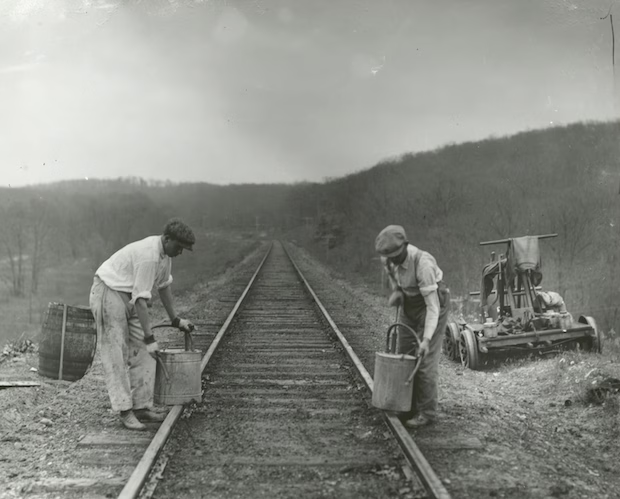
Captured in a striking early photograph, this unusual moment in Long Island history shows just how far workers had to go to keep the railroad running during a time when even tiny threats could cause big problems.
The Photo That Captured It All
- Title: Caterpillar Warfare
- Date: 1913
- Photographer: Hal B. Fullerton
- Format: Gelatin silver print
- Collection: Hal B. Fullerton Photographs
- What it shows: Workers posing with spraying equipment used to treat areas around the tracks
The image itself is almost surreal. A group of workers stands along the LIRR line, facing the camera with equipment in hand. No urgency. No chaos. Just a calm moment in what was, essentially, pest control on a railroad scale.
Click here for more stories about the LIRR and Long Island railroads.
But what they were dealing with was anything but minor.
Why Caterpillars Were a Real Problem
In the early 1900s, railroads were the backbone of Long Island. Everything depended on them running safely and consistently.
And that’s where the caterpillars came in.
- These insects fed heavily on vegetation surrounding the tracks
- Overgrowth and damage near rail lines could impact visibility and stability
- Left unchecked, infestations could threaten the safety and efficiency of train operations
This wasn’t just about landscaping. It was about protecting infrastructure at a time when alternatives were limited and delays had real consequences.
You’ve probably ridden past stretches of track like this without a second thought. Back then, those same areas could turn into problem zones almost overnight.
The Early Days of Chemical Warfare (the Non-Dramatic Kind)
The solution, at the time, was cutting-edge: insecticides.
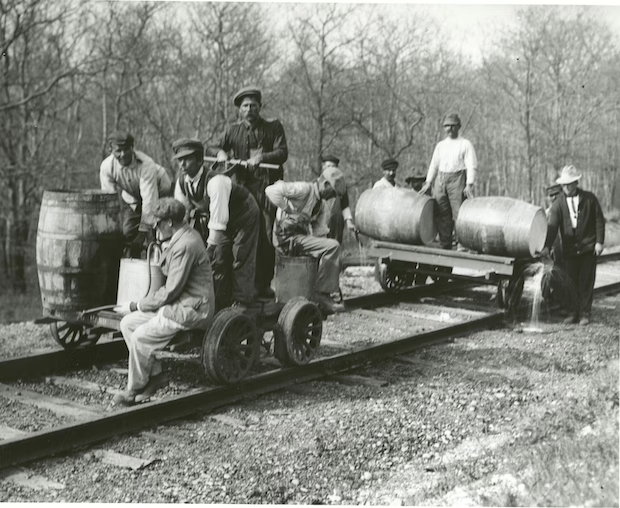
- Workers sprayed chemicals along the tracks to control caterpillar populations
- This was considered an innovative approach in the early 20th century
- The goal was simple: stop the damage before it spread
Another photo from the same collection shows similar scenes, reinforcing that this wasn’t a one-off effort. It was part of an ongoing strategy to manage a persistent issue.
Today, pest control is routine and largely invisible. In 1913, it was something workers had to do manually, often posing for photos in the middle of it.
A Small Battle That Meant a Lot
Looking back, “Caterpillar Warfare” feels almost quaint. But it tells a bigger story about Long Island at the time.
- The LIRR was critical to daily life and economic growth
- Even small threats required organized, hands-on solutions
- Workers relied on early technology and determination to keep things running
This wasn’t about dramatics. It was about problem-solving in real time, with whatever tools were available.
Why This Still Matters
That photo from 1913 isn’t just interesting, it’s a reminder.
It shows how something as small as a caterpillar could disrupt a major system, and how people adapted quickly to deal with it.
Long Island has always been a place where big systems meet unexpected challenges. Sometimes those challenges are massive. Sometimes, they’re crawling right along the tracks.
Either way, someone had to handle it.