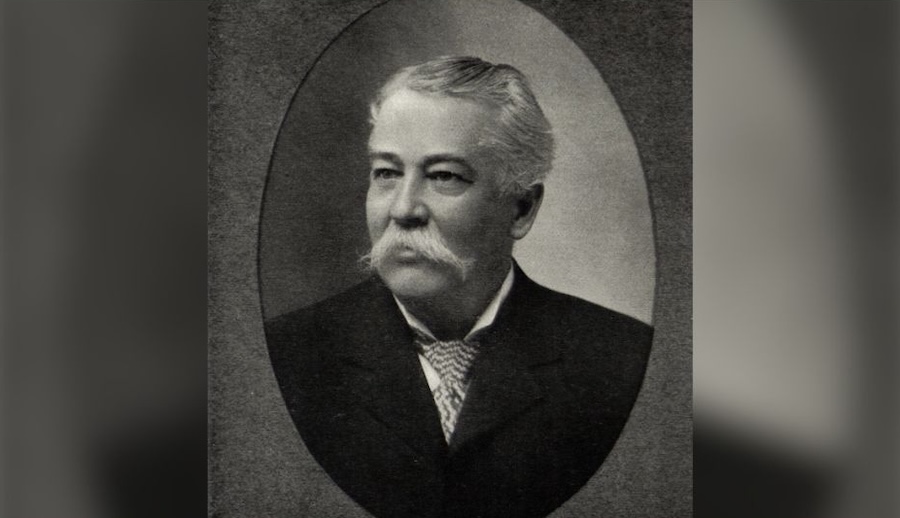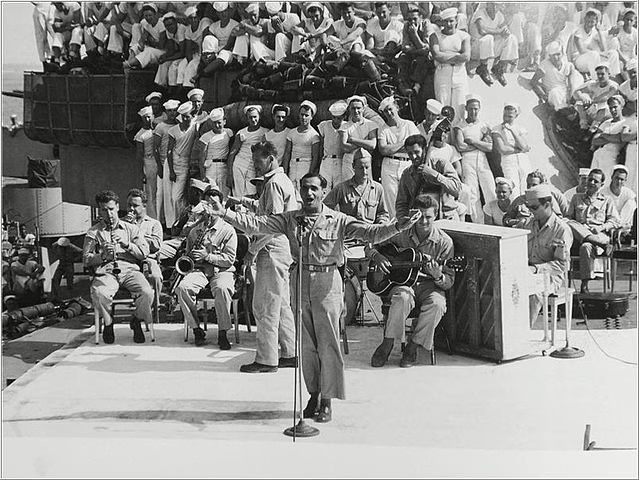
It’s one of the most recognizable songs in American history. You’ve heard it at ballgames, ceremonies, and moments that call for something bigger than words. But here’s the part most people don’t realize. It all started right here on Long Island and it almost never happened.
During World War I, Irving Berlin was stationed at Camp Upton in Yaphank. Like many soldiers with specific skills, he was assigned something a little different from drills and marches.
Click here for more stories about famous Long Islanders.
He was told to put together a musical revue to entertain the troops.
That show became Yip Yip Yaphank, a production filled with humor and songs that reflected military life.
- One of its biggest hits was “Oh, How I Hate to Get Up in the Morning”
- The song captured exactly how recruits felt at the time
- It became one of Berlin’s most relatable and enduring early works
But buried inside that same project was another song. One Berlin didn’t think much of. He cut it. Not because it wasn’t good. Because he thought it was too sentimental.
That forgotten piece sat untouched for two decades. Then, in 1938, singer Kate Smith was looking for a song that could define her as a symbol of American identity. Her manager reached out to Berlin, who remembered the unused tune from his time on Long Island. He revisited it, refined it, and handed it over. That song was God Bless America.
And just like that, something written in a military camp in Suffolk County became a national standard.
Today, it’s often treated as a patriotic anthem. But Berlin saw it differently.
- He described it not as a patriotic song, but as a “thank you”
- It was meant as an expression of gratitude for the country
- It reflected what America meant to him personally
That perspective adds a layer most people never consider. This wasn’t written as a rallying cry. It was written as appreciation. There’s another piece of the story that often gets overlooked.
- Berlin was born in Russia in 1888 as Israel Bellin
- He immigrated to the United States at age five
- His career took off in New York City before his time at Camp Upton
The idea that one of the most iconic American songs came from an immigrant, while he was stationed on Long Island, gives the story a deeper meaning. It’s not just local history. It’s a snapshot of what Long Island represented at the time.
The song didn’t just become famous. It became meaningful in another way.
- Berlin created a fund tied to the song’s royalties
- Proceeds were donated to the Boy Scouts and Girl Scouts in New York City
- Over time, more than $6 million has been distributed to those organizations
So the song didn’t just resonate culturally. It had a lasting financial impact that supported generations of young people.
Berlin’s catalog goes far beyond one song.
- He also wrote classics like “Cheek to Cheek” and “White Christmas”
- He remained active for decades in American music
- He lived to 101, passing away in 1989
But even with all of that, it’s the song he almost threw away on Long Island that became his most enduring legacy.
Photo: Public Domain.