A Long Island real estate company accused in multiple lawsuits of selling troubled Hamptons properties to buyers who later faced foreclosure has entered Chapter 7 liquidation as civil litigation and a New York attorney general investigation continue.
Hampton Dream Properties LLC filed for Chapter 11 bankruptcy in the U.S. Bankruptcy Court for the Eastern District of New York on May 24, 2026. The case was converted to Chapter 7 on July 20, placing the company into liquidation under a bankruptcy trustee.
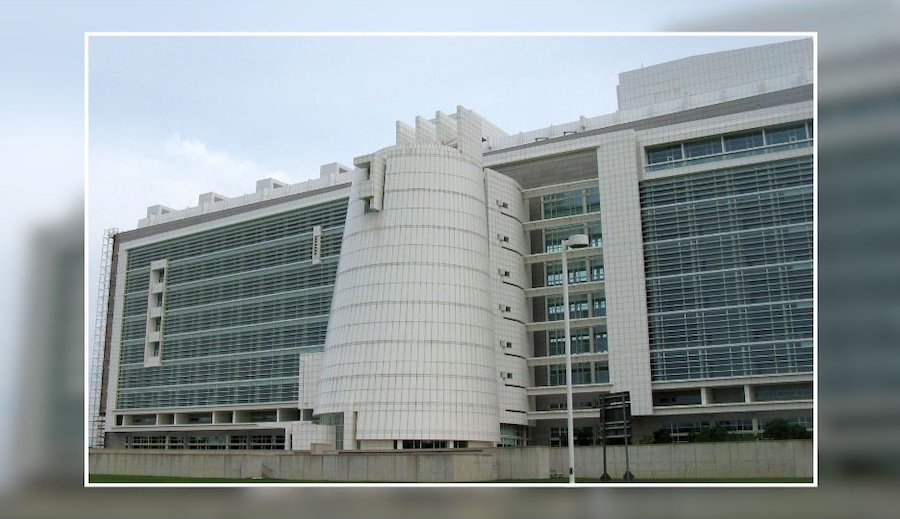
The bankruptcy case remains active in Central Islip before U.S. Bankruptcy Judge Louis A. Scarcella.
Hampton Dream Properties has been accused in numerous lawsuits of transactions involving distressed properties, unresolved mortgages and buyers who allege they paid substantial sums for homes without ultimately receiving clear title.
The allegations have not resulted in any publicly announced criminal charges connected to the company.
According to lawsuits and previous reporting, Hampton Dream acquired deeds from property owners facing foreclosure and sought to negotiate with lenders before arranging deals with new buyers.
Several buyers allege existing mortgages or liens were never resolved, leaving them facing foreclosure despite having made years of payments and, in some cases, spending hundreds of thousands of dollars improving the properties.
The New York State Attorney General’s Office previously confirmed an investigation involving allegations of deed and mortgage fraud connected to Hampton Dream. No public announcement indicating that the investigation has concluded or resulted in charges was found as of Oct. 5.
The attorney general has also intervened in litigation involving some families who allege they were victims of deed theft, seeking to prevent them from being evicted while their claims are litigated.
One Suffolk County Supreme Court case involves Mauricio Ocampo, who alleged that he purchased an East Hampton property from Hampton Dream in 2014 and later signed the property back to the company after being told the transfer was needed to resolve an outstanding foreclosure.
Ocampo alleged that he paid additional money before learning another company claimed ownership of the property and was seeking to evict him.
In June 2025, Suffolk County Supreme Court Justice David T. Reilly allowed significant portions of Ocampo’s fraud case to continue and granted a preliminary injunction preventing his removal from the property while the litigation proceeded.
Reilly found that the circumstances surrounding the transactions required further examination through discovery rather than dismissal at that stage of the case.
Other families have made similar allegations.
James and Danielle Quackenbush alleged they paid more than $1 million over nearly a decade toward a Three Mile Harbor Road property while believing they were purchasing the home from Hampton Dream.
Their lawsuit alleges they did not receive clear title and later learned the property was being used as collateral for additional mortgages.
The Quackenbush litigation was moved to U.S. District Court for the Eastern District of New York in August 2026, where Hampton Dream and several other parties are defendants.
Another case involves Rosa Quituisaca and Oscar Chavez Rivera, who also accuse Hampton Dream of deed and mortgage fraud involving an East Hampton property.
The Chapter 7 bankruptcy has now added another layer to the disputes.
Kenneth P. Silverman was appointed Chapter 7 trustee to oversee the Hampton Dream estate. Bankruptcy court filings show continued disputes over properties, transactions and assets potentially connected to the company.
In September, an interested party sought an order directing the turnover of a Remsenburg property to the Chapter 7 trustee and preventing any closing, transfer or recording of title involving the property while the dispute is decided.
That request is scheduled for a bankruptcy court hearing on Oct. 13.
Creditors have also sought permission from the bankruptcy court to pursue claims involving individual properties despite protections that generally take effect when a bankruptcy case is filed.
The Chapter 7 conversion means Hampton Dream is no longer attempting to reorganize under Chapter 11. Instead, the trustee is charged with identifying and administering property belonging to the bankruptcy estate and distributing available proceeds according to bankruptcy law.
The bankruptcy proceedings do not establish that Hampton Dream committed fraud. The allegations remain the subject of civil litigation and the attorney general investigation.
LI True Crime will continue to follow the bankruptcy proceedings and any developments in the state investigation.