For something most of us complain about at least once a week, the Long Island Rail Road has a surprisingly strange and ambitious backstory. It wasn’t even built for Long Island commuters in the first place. And once you start digging, you realize the LIRR has been shaping life here for nearly two centuries in ways most riders never think about while staring at the departure board.
If you’ve ever rushed for a train, you’ve been part of a system that helped turn Long Island into what it is today.
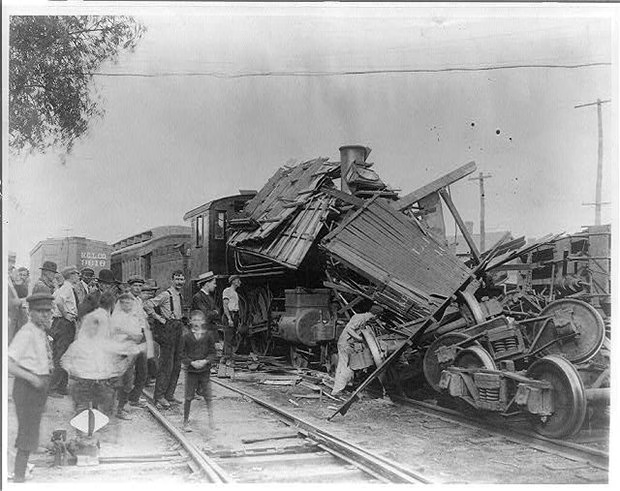
Photo from article “The 1909 Bay Shore Train Wreck: A Glimpse into LIRR History“
It Started With a Much Bigger Plan
- The Long Island Rail Road Company was officially formed on April 24, 1834
- At the time, it was called the “Long Island Railroad Company,” before the name evolved into today’s “Long Island Rail Road”
- The unusual two-word spelling of “Rail Road” stuck and is still used today
- The original goal was not commuting. The line was designed as part of a rail-ferry-rail route connecting New York to Boston
That last one changes everything. The LIRR wasn’t built for your trip to Penn Station. It was part of a regional transportation shortcut before direct rail routes existed.
- Tracks reached Hicksville by 1837
- By 1844, trains were running from Brooklyn all the way to Greenport
- That trip took about three and a half hours
Click here for more stories about the LIRR and Long Island railroads.
For the time, that was fast. Today, it depends which train you catch.
- Despite its early ambitions, the railroad went bankrupt in the mid-1800s
Power, Consolidation, and Some Unusual Firsts
As Long Island grew, so did the railroad, often through aggressive expansion and consolidation.
- Competing railroads across Long Island were merged into the LIRR in the late 1800s
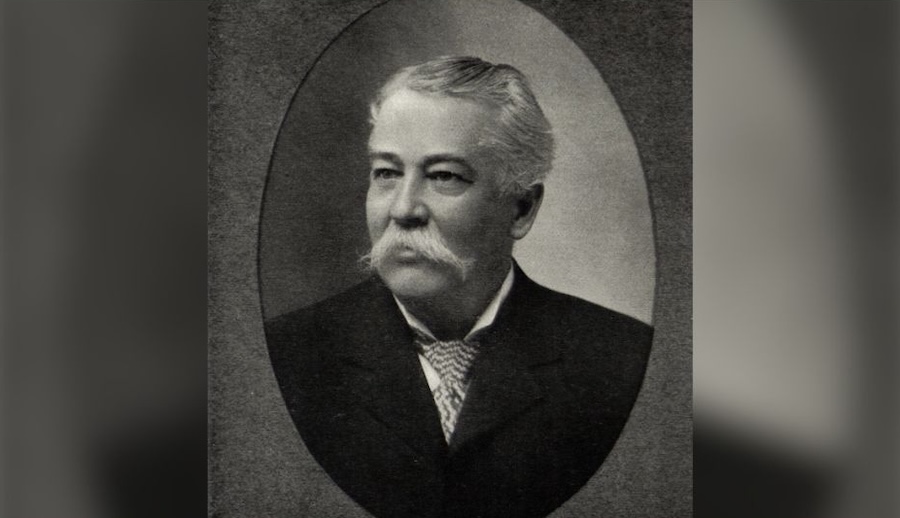
- Railroad executive Austin Corbin played a major role in that expansion
- Corbin died in 1896 after being thrown from a carriage
The railroad’s history is full of details that feel oddly specific and very Long Island.
- The LIRR was the first railroad to install a steam whistle on a locomotive
- It was reportedly sold to the Pennsylvania Railroad for $6 million
- In 1901, the Pennsylvania Railroad officially purchased the LIRR
Even the uniforms became part of the culture.
- There are entire histories dedicated to conductor uniform buttons and cap badges
And yes, the LIRR had its own police force long before modern transit policing.
- The LIRR Police Department was established in 1868
- In 1998, it became part of the MTA Police
The Tragedy That Still Defines Its History
Not every chapter is quirky or nostalgic.
- On Thanksgiving Eve in 1950, two trains collided between Kew Gardens and Jamaica
- 78 people were killed and 363 were injured
- It remains the deadliest accident in LIRR history
It’s one of those moments that still lingers behind the system we use every day.
When Riding the Train Felt… Different
The mid-20th century LIRR had a very different vibe than today’s commute.
- Parlor cars once served drinks onboard
- A martini or Manhattan cost about $1.05
- Beer went for around 60 cents
Imagine ordering a cocktail somewhere between Jamaica and Mineola today.
The branding leaned into the commuter experience too.
- “Dashing Dan” was introduced in 1957 as a mascot representing the rushed commuter
- His slogan was “The Route Of The Dashing Commuter”
- In 1962, “Dashing Dottie” joined him
Even security got creative at one point.
- In the early 1970s, helicopters were used to patrol LIRR tracks to combat vandalism
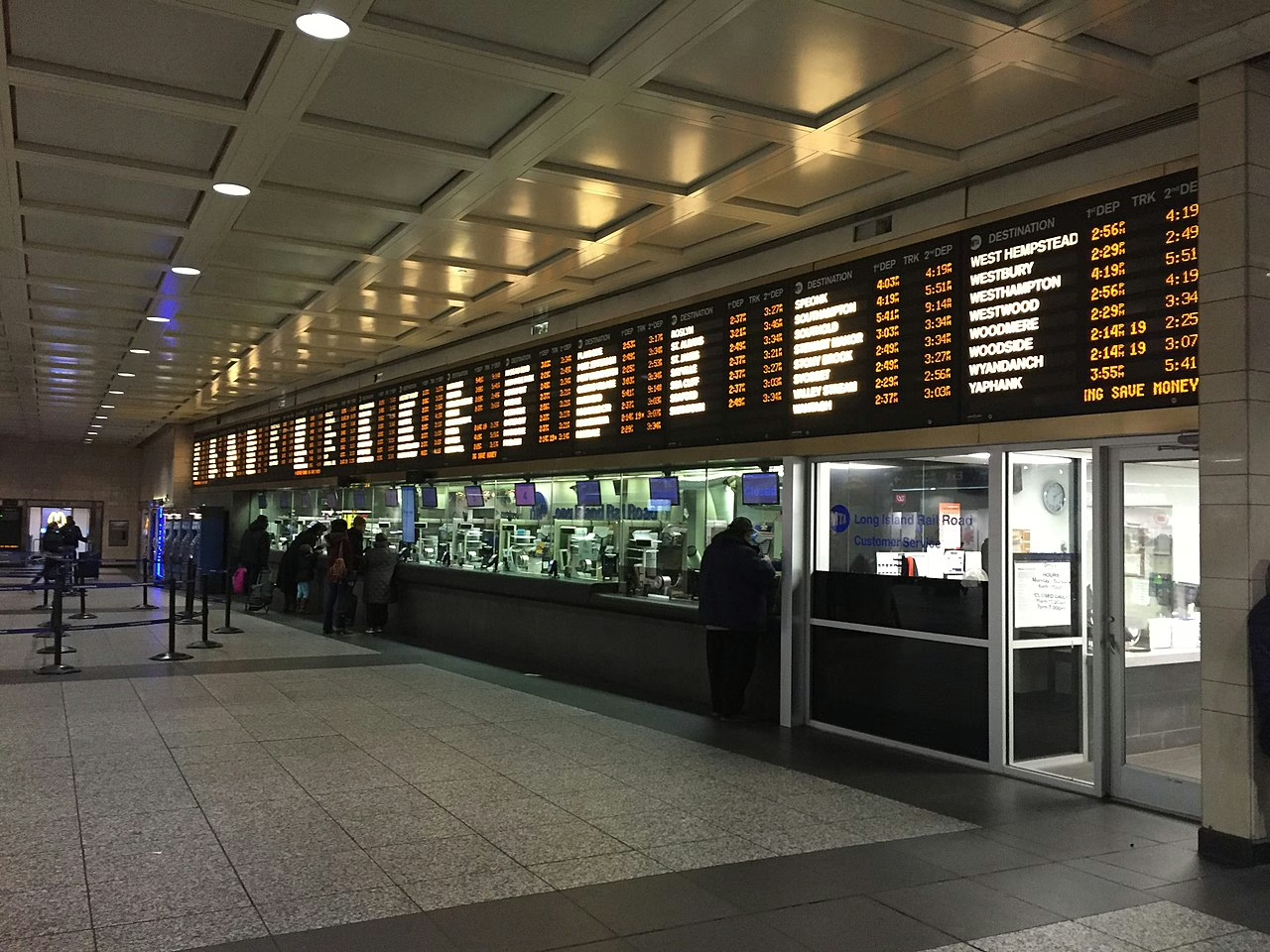
Photo: Antony-22, CC BY-SA 4.0, via Wikimedia Commons
From Expansion to Modern Scale
The system we use today reflects more than a century of growth.
- The LIRR reached Montauk in 1895, completing its eastward expansion
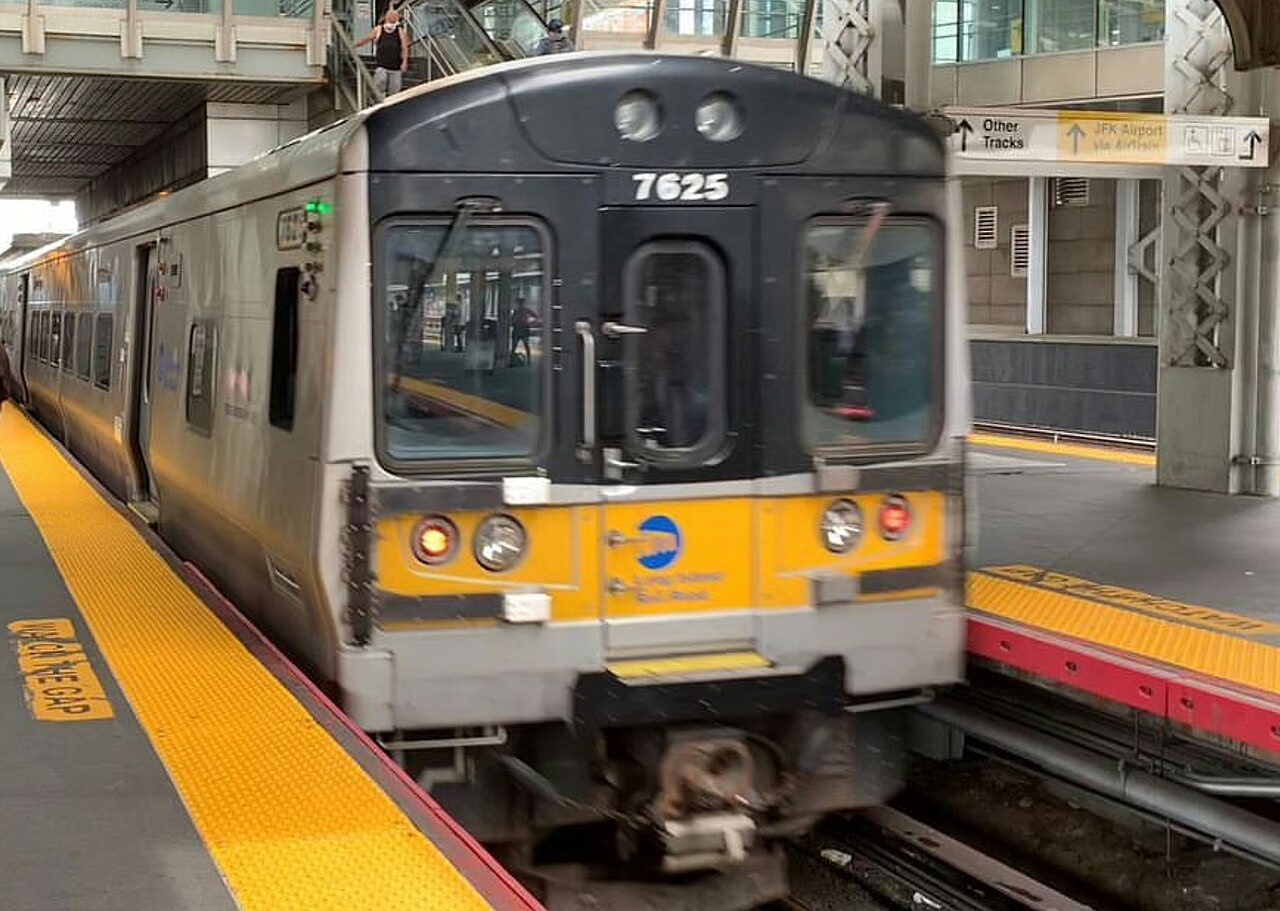
- Today, the system includes 124 stations across 11 lines
And while it feels like a constant work in progress, the numbers are massive.
- The LIRR operates on a budget of over $1 billion
- Annual revenue is around $790 million
- In 2018, ridership hit 89.8 million passengers
- The post-war record was even higher, with 91.8 million riders in 1949
- Over the past 30 years, system-wide ridership has increased by 19 percent
The Railroad That Built Long Island
It’s easy to focus on delays, crowded cars, or whether the AC is working. But the Long Island Rail Road didn’t just move people. It helped shape where people lived, worked, and built entire communities.
From a failed Boston shortcut to one of the busiest commuter rail systems in the country, the LIRR has always been more than just a train ride.
And if you’ve ever taken it, you’re part of that story whether you like it or not.
Photo: Awesomerailfanning, CC0, via Wikimedia Commons