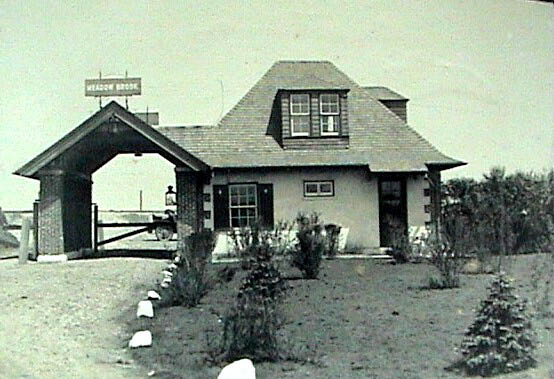
When the Long Island Motor Parkway opened on October 10, 1908, motorists entered its first completed section through three toll lodges designed by architect John Russell Pope. They were the Meadow Brook, Massapequa and Bethpage lodges. Pope would later become one of the leading American architects of his generation and the architect principally responsible for the design of the Jefferson Memorial in Washington, D.C.
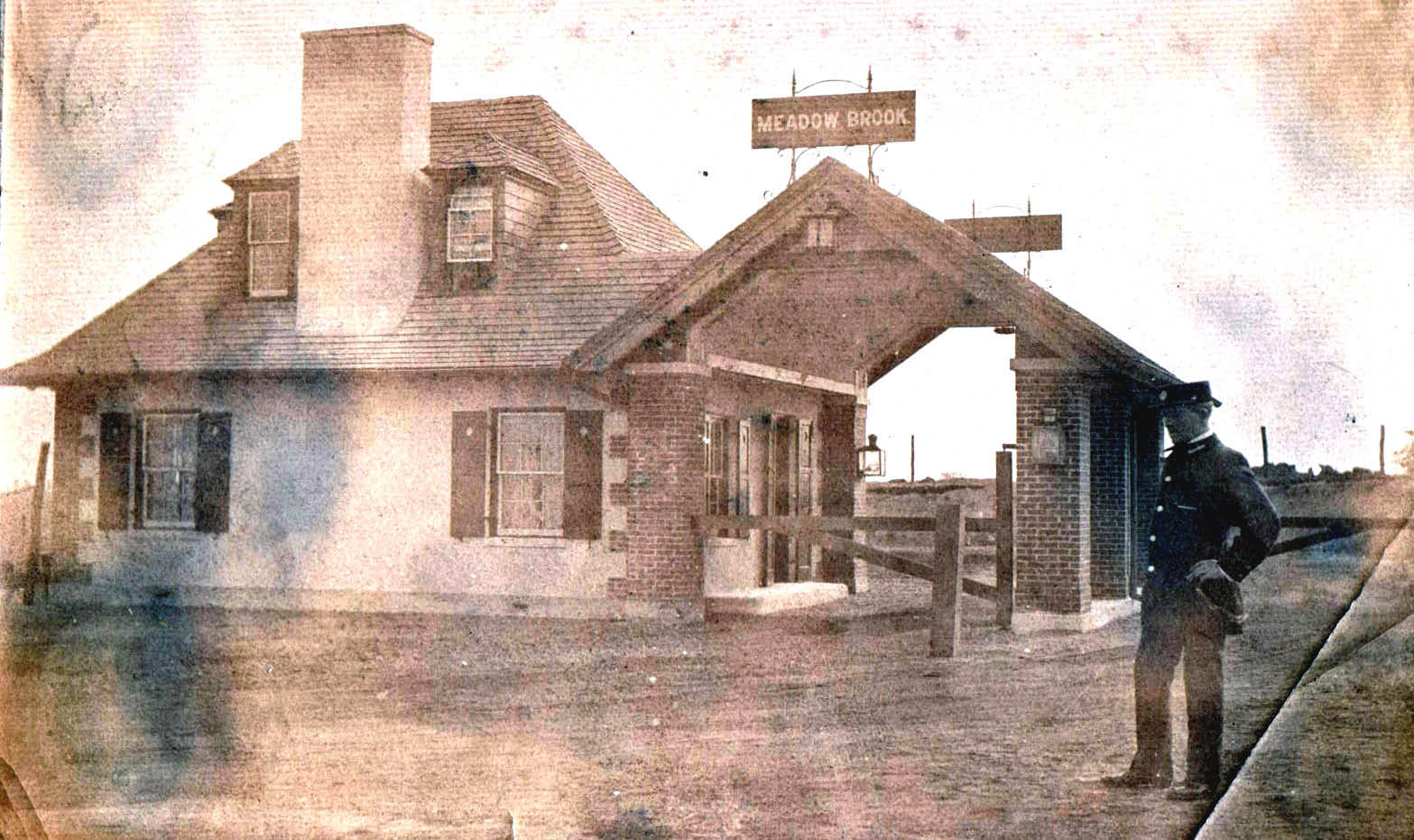
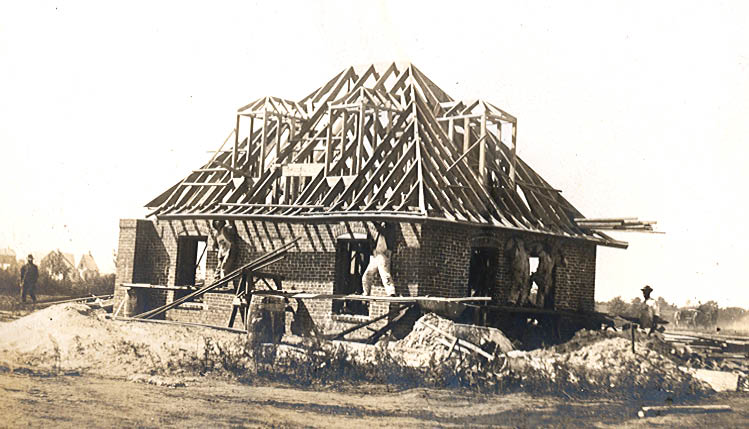
The connection places a familiar piece of Long Island transportation history within Pope’s much larger architectural career. The three original Motor Parkway lodges were substantial two-story buildings rather than simple roadside toll booths. They were constructed primarily of brick and included living quarters for the toll collectors and their families.
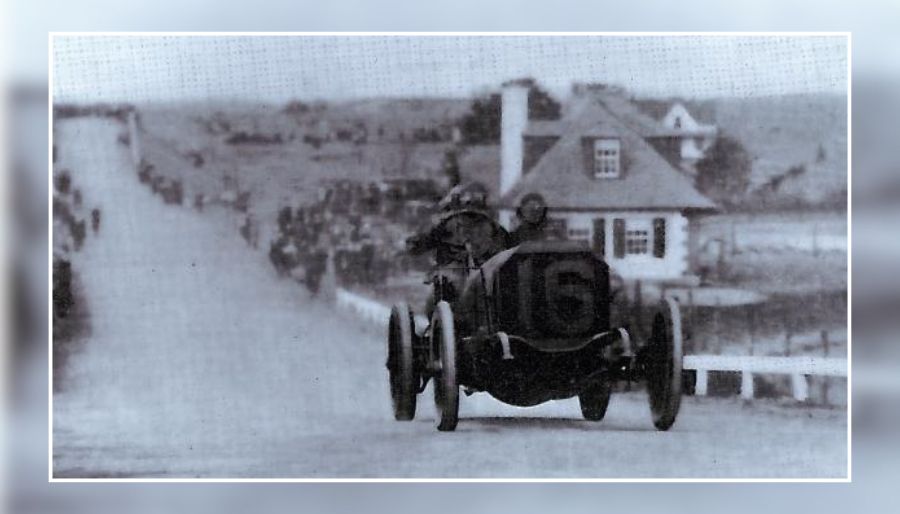
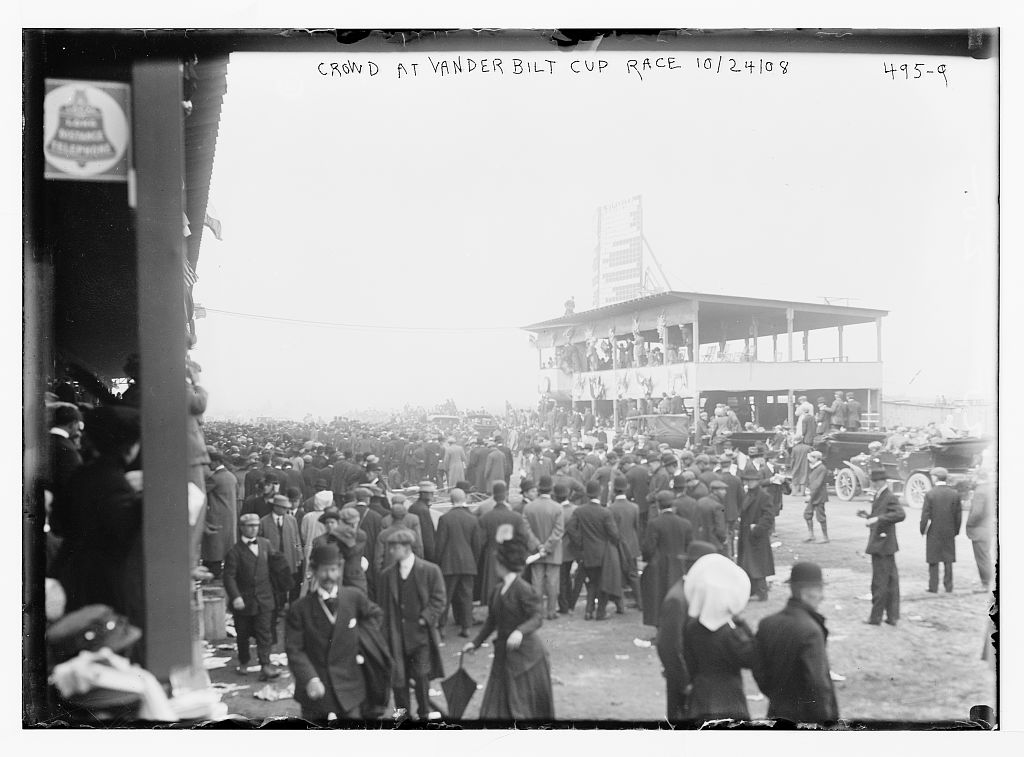
The Long Island Motor Parkway itself grew out of William K. Vanderbilt Jr.’s involvement in early automobile racing. The Vanderbilt Cup races had been conducted over public roads, creating problems involving spectators, traffic and safety. Vanderbilt and his associates organized the Long Island Motor Parkway corporation to build a privately controlled road intended specifically for automobiles, including use as part of the Vanderbilt Cup racecourse.
Only a portion of the parkway had been completed when it opened in 1908. The Vanderbilt Cup course that year incorporated about nine miles of the new Motor Parkway along with more than 14 miles of ordinary public roads. The road should therefore not be confused with a purpose-built racetrack occupying the entire Vanderbilt Cup course.
For its period, the road incorporated several important features that later became familiar elements of highway design. Its pavement used reinforced concrete, and bridges and underpasses were constructed to remove road and railroad grade crossings. NYC Parks describes the Motor Parkway as the nation’s first long-distance roadway for cars, noting its reinforced-concrete paving and the bridges and underpasses used to eliminate grade crossings.
Pope’s work for the parkway did not end with the original three lodges. He designed six in all. Great Neck and Roslyn were added in 1909, followed by Garden City in 1911. The six Pope-designed buildings were Meadow Brook, Massapequa, Bethpage, Great Neck, Roslyn and Garden City.
There is one qualification worth making when connecting Pope to the Jefferson Memorial. The Thomas Jefferson Memorial Commission hired him in 1935, and he prepared the memorial’s design. Pope died in 1937, before construction was completed, and his associates Otto Eggers and Daniel Higgins carried the design through completion. The National Park Service nevertheless identifies Pope as the memorial’s architect.
The Motor Parkway continued operating as a private toll road until 1938. Its importance now rests not only in its association with the Vanderbilt Cup races, but also in the history of early automobile-road design on Long Island. The Pope-designed lodges were a small but distinctive part of that system, created more than a quarter-century before Pope received the Jefferson Memorial commission.
Find Crime News in Your Town
Explore arrests, investigations and crime reports from communities across Long Island.