If you think Caumsett State Historic Park is just a nice place for a walk, you’re missing most of the story. This stretch of Lloyd Neck isn’t just trails and waterfront views. It was once a self-contained world with its own infrastructure, workforce, and over-the-top lifestyle that doesn’t quite match the quiet preserve you see today. And just when you think Caumsett is frozen in time, it changed again with a brand new expansion that most people haven’t fully wrapped their heads around yet.
Click here for more stories about Long Island’s historic landmarks.
Before we even get to that new land, here are the facts that make Caumsett one of the most fascinating places on Long Island.
- Caumsett is a 1,680-acre park on a peninsula extending into Long Island Sound
- The land was originally purchased in 1921 by Marshall Field III, who turned it into a massive private estate
- The name “Caumsett” comes from the Matinecock Native American word meaning “place by a sharp rock”
- When Field bought the property, it was overgrown woods, abandoned farms, and undeveloped land
- He didn’t just build a mansion, he created a fully self-sufficient estate with its own water and electrical systems
- The estate was designed by architect John Russell Pope and landscaped by the Olmsted Brothers, the firm founded by the sons of Frederick Law Olmsted
- Construction in the 1920s happened at a pace that would feel impossible today
- Roads were built
- Utilities were installed underground
- Entire building complexes went up in just a few years
- Full-grown trees were literally barged in and planted to make the estate look instantly mature
- At its peak, Caumsett functioned like a small village
- Staff included household workers, farm laborers, and dairy workers
- This was before modern technology, so everything from heating to food storage required constant manpower
- There were two ice-making plants on the property, because refrigeration as we know it didn’t exist
- The main house icebox produced so much meltwater that it created a constant flowing stream indoors during warmer months
- Before modern lawn equipment, workers used scythes to maintain the grounds
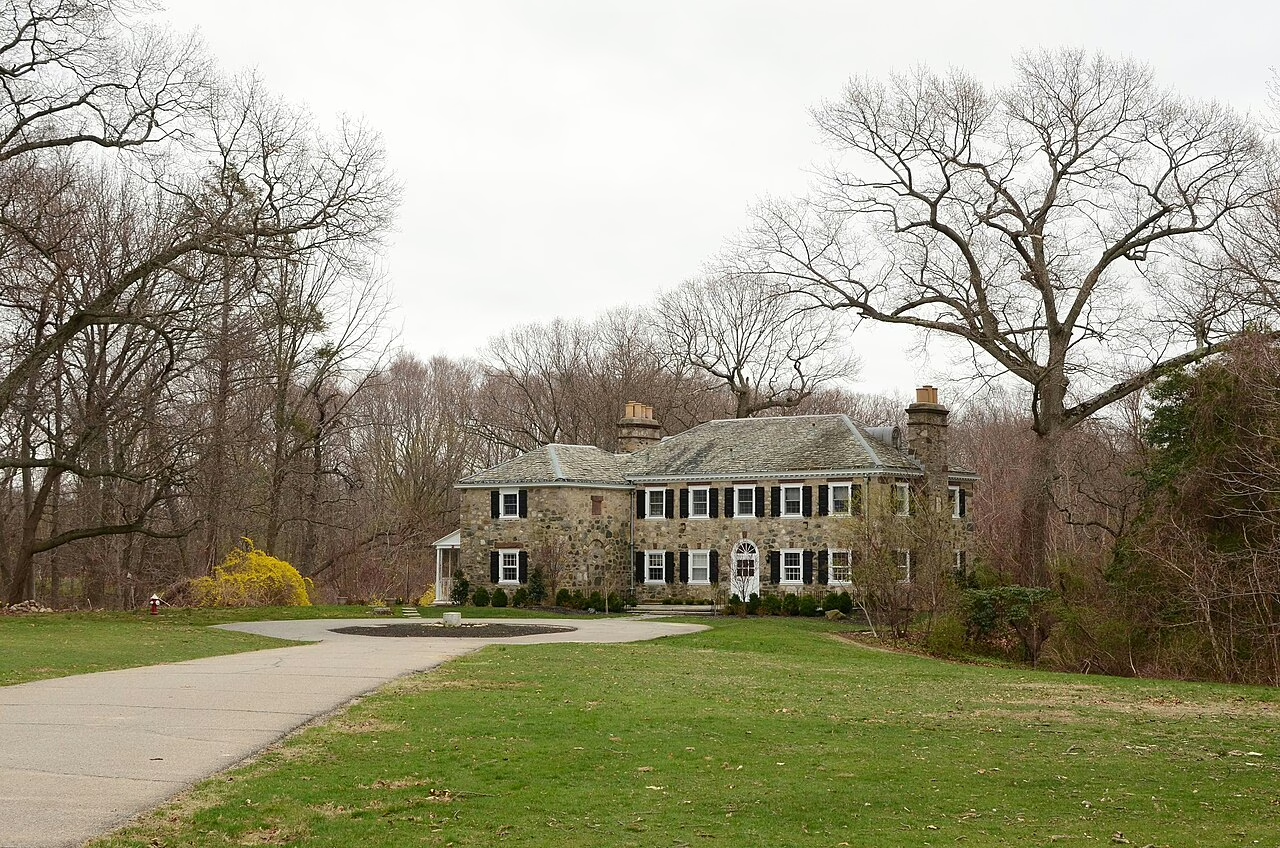
Photo: The Winter Cottage. Tony V., CC BY 2.0 <https://creativecommons.org/licenses/by/2.0>, via Wikimedia Commons
- The estate was built for recreation as much as living
- Polo fields
- Hunting preserves
- Tennis courts
- A saltwater swimming pool with views in both directions
- There were even indoor tennis courts with spectator seating, where guests could watch matches while being served food and drinks
- The estate hosted lavish parties in the 1930s, including a famous “circus” themed event in 1932 attended by high-profile guests from society and entertainment
- At the same time, this level of luxury stood in sharp contrast to the Great Depression happening outside the estate gates
- Despite the economic downturn, workers on the estate were largely kept employed and provided with housing and food from the property itself
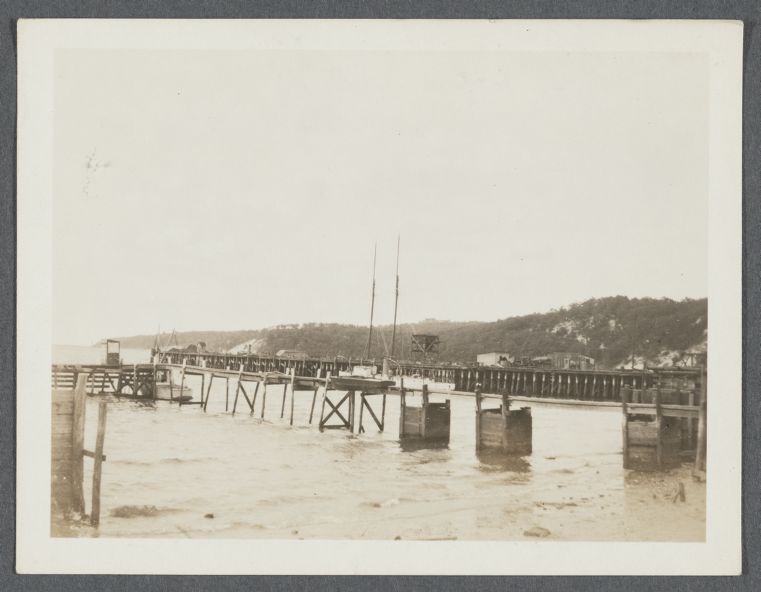
- The estate included a polo field, shooting preserve, yacht dock, and even a seaplane dock
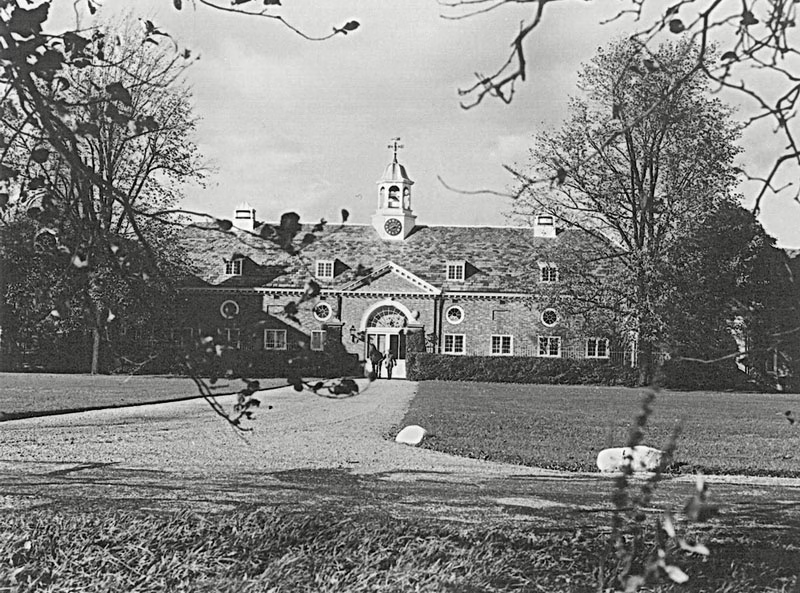
Photo: The Polo Barn. caumsettfoundation.org
- In 1961, New York State purchased the property for $4,278,000 and turned it into a public park
- That purchase made Caumsett the first park acquired using a major state bond issue
- There were once plans to extend a parkway directly to Caumsett from Bethpage, but it was never built
- Because that road never happened, Caumsett remained far more preserved and less developed than originally planned
- Today, much of the park is maintained as a nature preserve
- More than 1,200 acres are protected as a Bird Conservation Area, supporting species like piping plovers and terns
- The park allows a wide range of activities, including
- Hiking
- Biking
- Fishing
- Horseback riding
- Cross-country skiing
- Even scuba diving with a permit
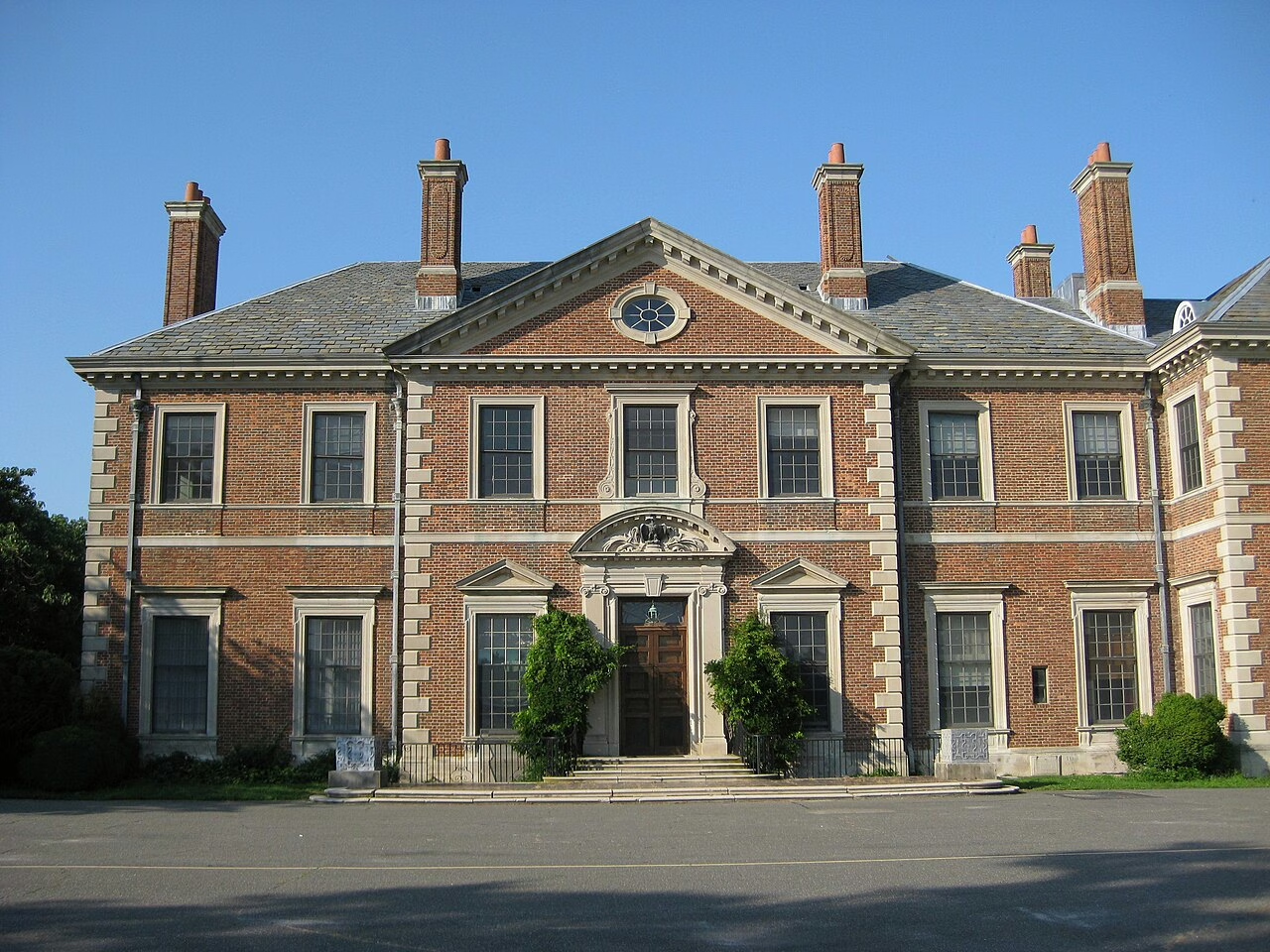
Photo: Caumsett Hall. Mike Durkin, CC BY-SA 2.0 <https://creativecommons.org/licenses/by-sa/2.0>, via Wikimedia Commons
Caumsett Just Got Bigger
In 2026, Caumsett added 180 acres from the former Seminary of the Immaculate Conception, opening new areas for passive use, especially hiking and nature walks.
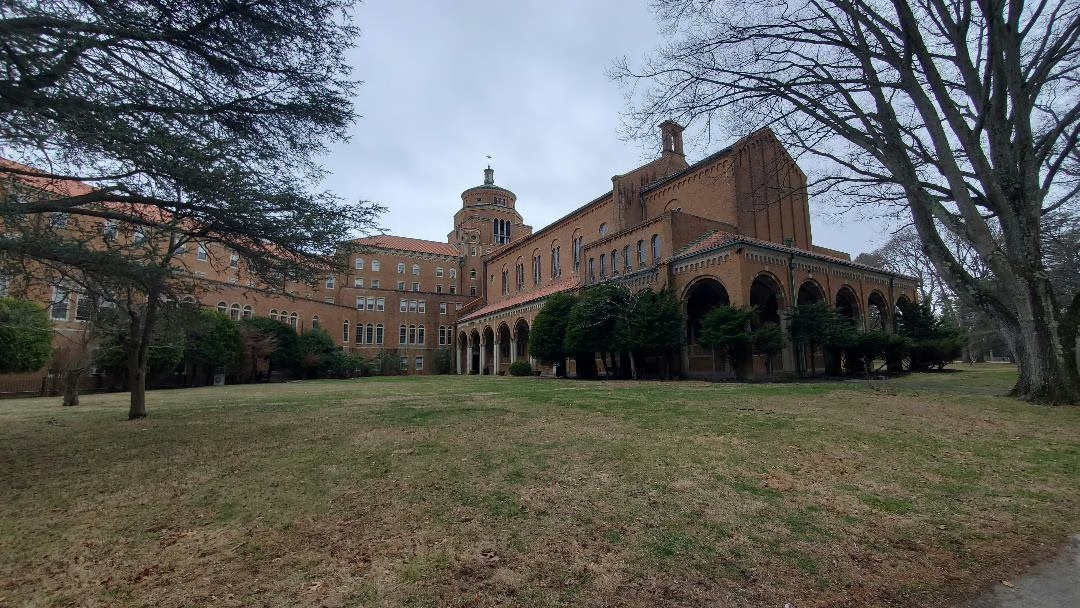
Photo: Main Seminary Building by Rick Monroe.
And this new section comes with its own set of surprises.
- The annex includes wetlands, woodlands, and coastal bluffs along Lloyd Neck Harbor
- The land was considered ecologically sensitive and largely undisturbed, which is why the state prioritized acquiring it
- The purchase used nearly $18 million from the Environmental Protection Fund
- The area adds new opportunities for exploration, including additional trails and scenic views of the harbor
- But here’s the part most people don’t expect
- The annex is designated for passive use only
- No biking
- No horseback riding
- Limited recreation compared to the main park
- Right now, it’s mainly intended for walking and nature observation
- There are currently no major facilities like restrooms or buildings for public use
- Even more interesting, not everything in the annex belongs to the park
- The Seminary still owns the buildings and amphitheater on the property
- They continue to operate retreats and educational programs right alongside the park land
- The annex also includes land that dates back to an earlier estate era before the Seminary, adding another layer of hidden history

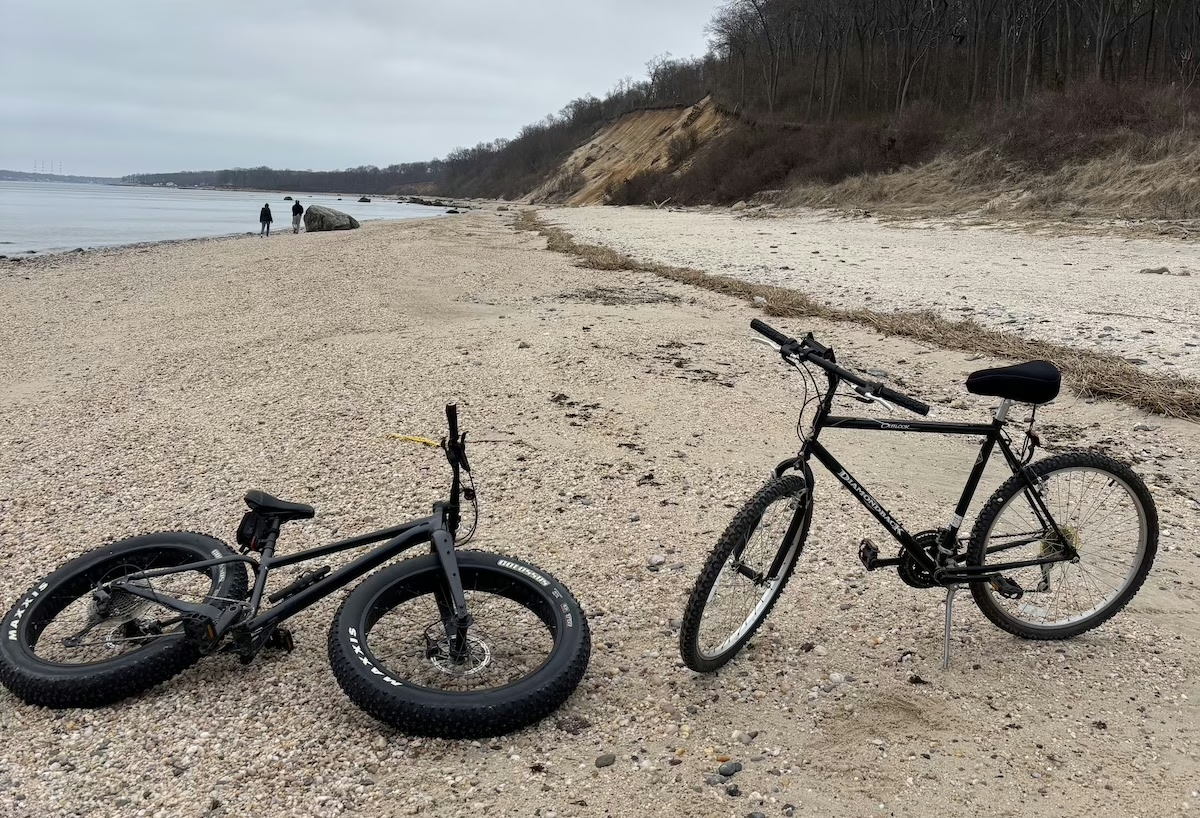
Photo: Lon S. Cohen.
Cover photo: Caumsett Hall. Mike Durkin, CC BY-SA 2.0 <https://creativecommons.org/licenses/by-sa/2.0>, via Wikimedia Commons