Long before much of Nassau County was covered with suburbs, parts of it were components of an extensive water system built to supply Brooklyn.
By the 1850s, the rapidly growing city of Brooklyn needed additional sources of fresh water. Engineers looked east to the ponds and streams of Long Island, developing a system that carried water west through an underground masonry conduit before pumping it into the elevated Ridgewood Reservoir for distribution in Brooklyn.
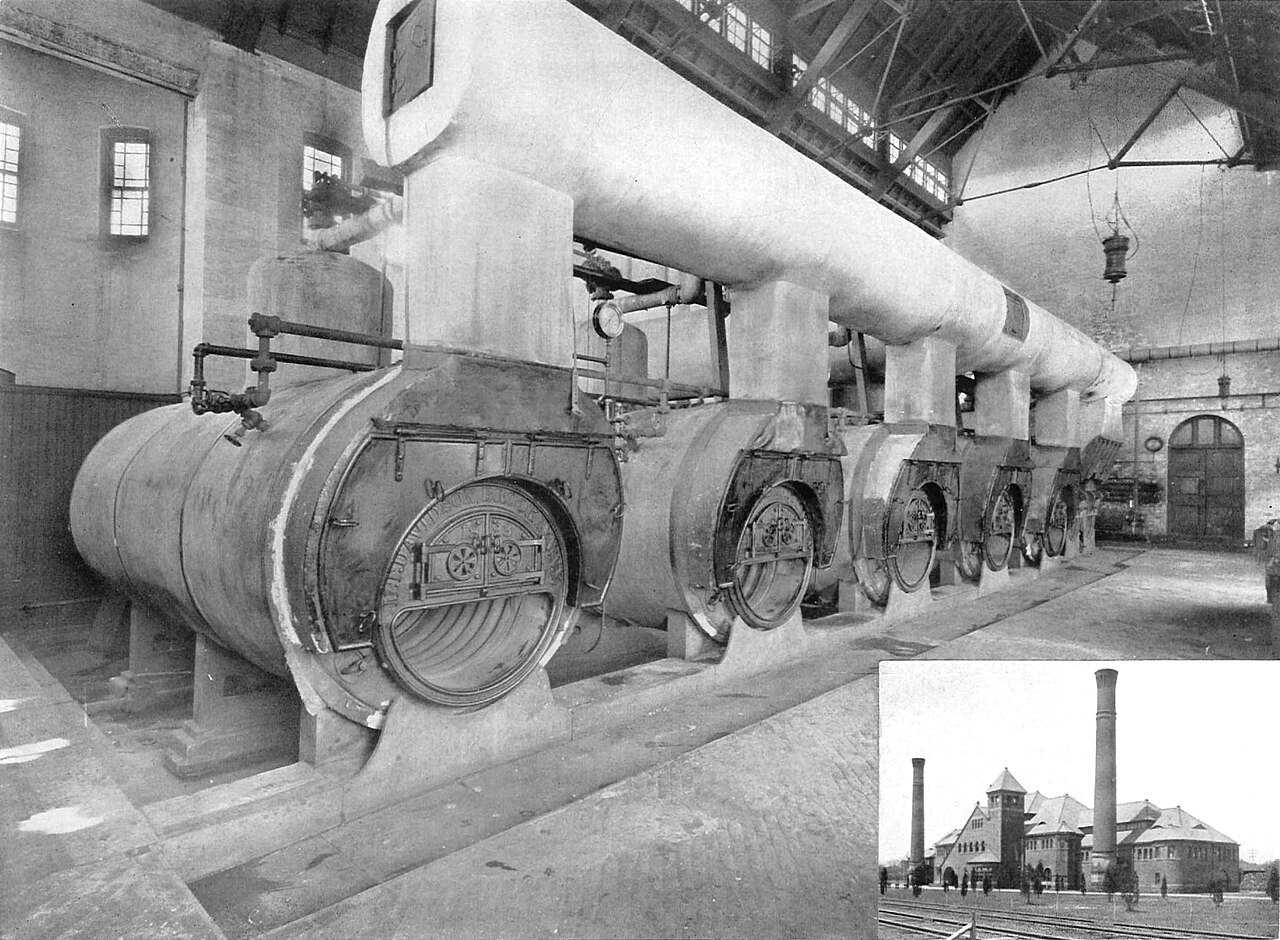
The original waterworks opened in the late 1850s and expanded eastward as Brooklyn’s population and demand for water increased. By 1862, the system had reached Hempstead, incorporating ponds and streams along the South Shore. Later expansions increasingly relied on wells and steam-powered pumping stations to draw groundwater into the system.
Several of those water sources were in present-day Valley Stream. Cornell’s Pond, now known as Valley Stream Pond in Arthur J. Hendrickson Park, became part of the Brooklyn water system during its early expansion. Clear Stream Pond and Watts Pond, today’s Mill Pond at Edward W. Cahill Memorial Park, were also acquired as part of Brooklyn’s growing Long Island water supply.
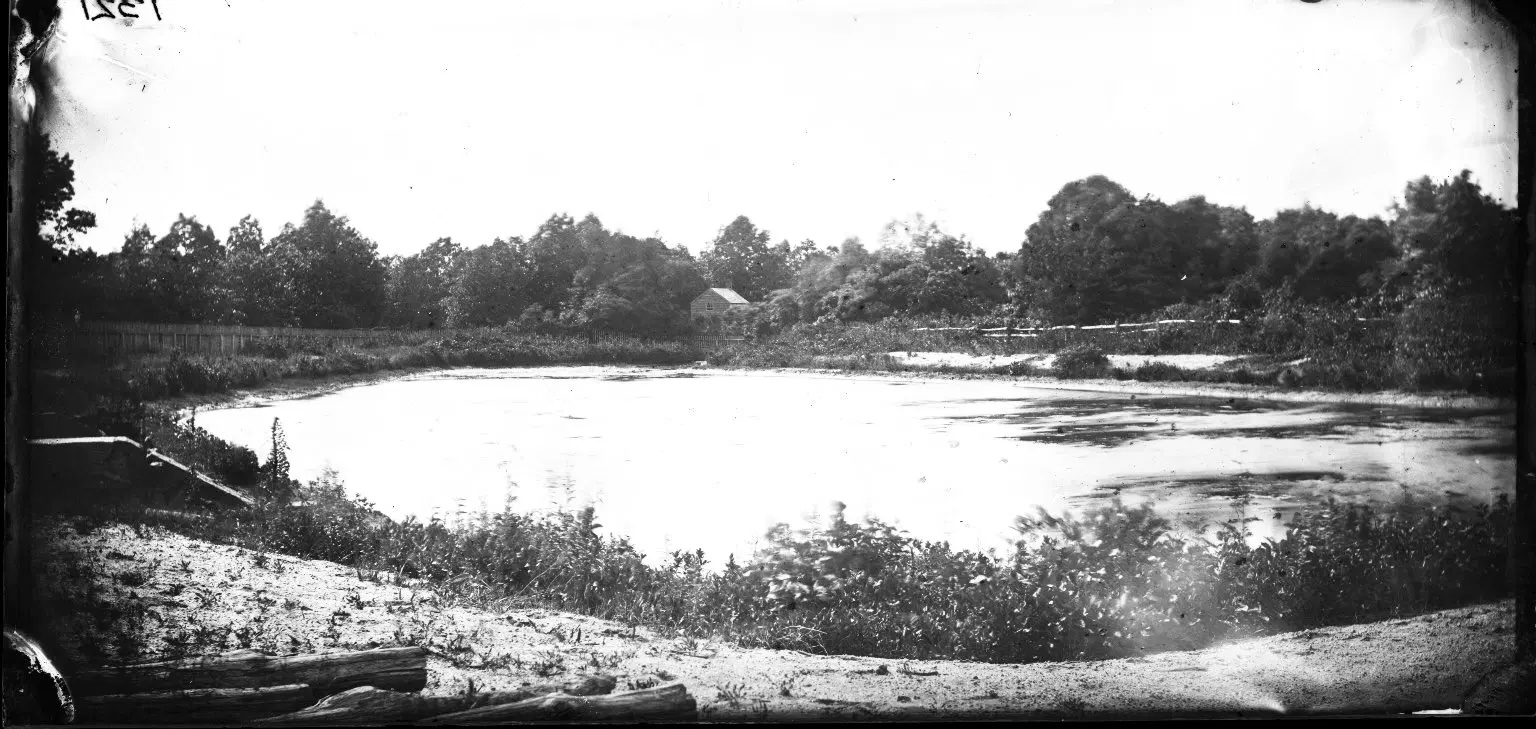
Watts Pond illustrates how the system evolved. Because the pond was below the elevation of the original conduit, its water could not simply flow into the system. During a water shortage in 1872, Brooklyn installed a temporary pump to draw from the pond. By 1894, the Watts Pond Pumping Station had 12 driven wells capable of producing about 2.5 million gallons per day.
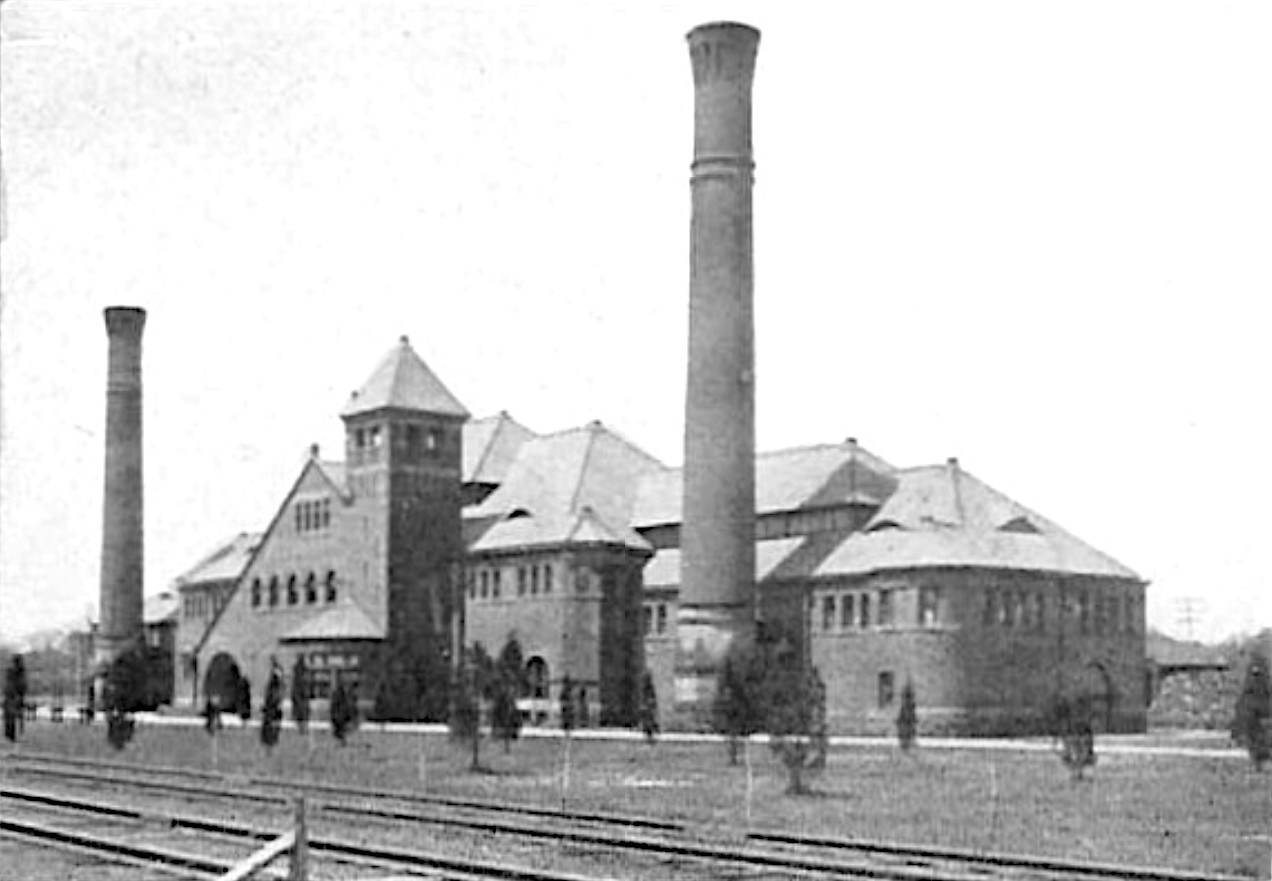
As Brooklyn’s demand continued to grow, pumping stations and groundwater wells became increasingly important. One of the largest facilities was the Milburn Pumping Station in present-day Baldwin. Completed in 1891, the station housed five large steam pumps capable of delivering as much as 54 million gallons of water per day.
The waterworks eventually extended as far east as Massapequa. By the early 20th century, a large steel pipeline carried water from the Massapequa area west toward Brooklyn, supplementing the older masonry conduit and other parts of the system.
The arrival of New York City’s Catskill water changed the equation. In 1917, Catskill water was connected directly to Ridgewood Reservoir. Unlike the Long Island groundwater system, the Catskill system could deliver water largely by gravity. The American Society of Civil Engineers says New York City saved about $500,000 in fuel costs that year because less pumping was required.
The old Long Island waterworks nevertheless left marks on the landscape.
Former water-supply properties were later incorporated into Long Island’s developing park system, including land that became Valley Stream State Park and Hempstead Lake State Park. In Valley Stream, Sunrise Highway was built over the route of the original water conduit in 1929. More broadly, portions of Sunrise Highway, Conduit Boulevard and Force Tube Avenue were built atop the old waterworks conduit or within its right-of-way.
The Brooklyn Waterworks was designated a National Historic Civil Engineering Landmark by the American Society of Civil Engineers in 2021.
For decades, in other words, some of the water coming from Brooklyn taps began its journey beneath the ponds, streams and groundwater of Long Island.
Sources:
- American Society of Civil Engineers — Brooklyn Waterworks
https://www.asce.org/communities/institutes-and-technical-groups/environmental-and-water-resources-institute/news/brooklyn-waterworks/ - Hofstra University, Long Island Studies Institute — Changing Long Island: The History of Long Island’s Water Supply
https://www.hofstra.edu/pdf/library/libspc-oe-lisi-changing-long-island.pdf - Valley Stream Historical Society — History Hidden in Plain Sight
https://valleystreamny.gov/?DE=5B33F1D9-185E-47B7-975E-A588E1F60876&SEC=17E2184D-D1F2-402C-8953-35B0520559EA - Valley Stream Historical Society — Clear Stream Pond
https://valleystreamny.gov/vertical/Sites/%7BBC0696FB-5DB8-4F85-B451-5A8D9DC581E3%7D/uploads/Clear_Stream_Pond.pdf - New York City — The City Record, Brooklyn Water Supply
https://a860-gpp.nyc.gov/downloads/n583z0223?locale=en - NYU Special Collections / Center for Brooklyn History — Brooklyn Waterworks Architectural Drawings
https://findingaids.library.nyu.edu/cbh/2015_036/
Photos:
-
The Milburn Pumping Station, completed in 1891, was part of the extensive waterworks system that supplied Brooklyn with water drawn from Long Island. Photo: Continental Iron Works, 1912 / Wikimedia Commons, public domain.
- The boiler room at the Milburn Pumping Station, where steam-powered equipment helped operate Brooklyn’s Long Island water supply system. Photo: Continental Iron Works, 1912 / Wikimedia Commons, public domain.
- Clear Stream Pond in Valley Stream in 1874. The pond was among the Long Island water sources incorporated into Brooklyn’s expanding water supply system. Photo: George Bradford Brainerd, 1874 / Brooklyn Museum, Brooklyn Public Library, Brooklyn Collection.